
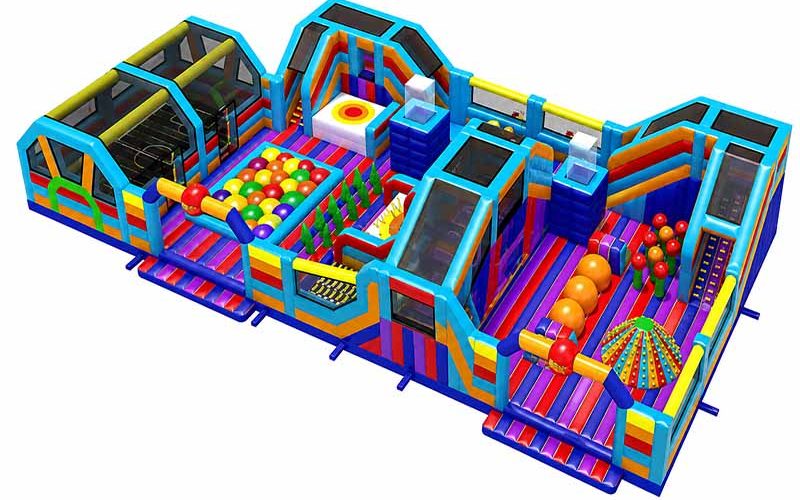
From choosing the right business model to planning your budget and preparing for opening day, here’s a practical step-by-step guide to launching a successful commercial inflatable park in Canada.
Starting a commercial inflatable park is an exciting opportunity, but it’s also a significant investment. Before ordering equipment or signing a lease, it’s worth taking the time to build a clear plan. The decisions you make during the early stages—from selecting the right location to understanding your local market—can have a lasting impact on your business.
A successful inflatable park isn’t created by simply purchasing exciting attractions. It’s built through careful planning, realistic budgeting, strong operations, and a clear understanding of what families are looking for.
Whether you’re planning a year-round indoor facility or a seasonal outdoor destination, this guide walks through the key steps to help you launch your commercial inflatable park business with confidence.
Step 1: Decide What Type of Inflatable Park You Want to Build
Before comparing equipment or requesting quotations, decide what kind of inflatable park best fits your goals.
Commercial inflatable parks can operate in several different formats, each serving a different market.
Common business models include:
- Indoor inflatable parks operating year-round
- Outdoor seasonal parks at campgrounds, resorts, and tourist destinations
- Community recreation facilities
- Adventure parks combining inflatables with other attractions
- Mobile inflatable parks for festivals and special events
Each option comes with different requirements for investment, staffing, maintenance, and marketing.
Having a clear vision from the beginning makes every future decision much easier.
Step 2: Research Your Local Market
One of the biggest mistakes new investors make is assuming there is enough demand without doing proper research.
Spend time learning about your local community before making any major financial commitments.
Consider questions such as:
- How many families live within a reasonable driving distance?
- Are there schools, campgrounds, or tourist attractions nearby?
- What family entertainment options already exist?
- Is there a gap in the market that your park could fill?
- Is demand likely to be year-round or seasonal?
Studying other family entertainment businesses—not just inflatable parks—can also provide valuable insights into customer expectations, pricing, and visitor behaviour.
The goal isn’t to avoid competition completely. Instead, identify opportunities to create a better or different experience.
Step 3: Choose the Right Location
Location plays a major role in the long-term success of any entertainment business.
Rather than focusing only on rental costs, consider how well a location will support your business over the coming years.
Look for features such as:
- Convenient road access
- Plenty of parking
- High visibility
- Safe pedestrian access
- Sufficient ceiling height for indoor parks
- Open floor space
- Reliable electrical supply
- Room for future expansion
For outdoor parks, drainage, ground conditions, and weather exposure are equally important.
A better location often delivers stronger long-term returns, even if the initial cost is slightly higher.
Step 4: Build a Realistic Startup Budget
Many first-time operators underestimate the total investment required to open an inflatable park.
Equipment is only one part of the overall cost.
Your startup budget should also include:
| Expense | Examples |
|---|---|
| Facility | Lease, renovation, flooring, utilities |
| Equipment | Inflatables, blowers, safety mats |
| Shipping & Installation | Transportation, unloading, setup |
| Licensing & Insurance | Business registration, insurance policies |
| Staffing | Recruitment, uniforms, training |
| Marketing | Website, advertising, grand opening campaign |
| Operations | Cleaning supplies, maintenance, repairs |
| Working Capital | Cash reserves for the first 6–12 months |
One of the most common financial mistakes is underestimating the amount of working capital needed after opening.
Even if visitor numbers grow steadily, it may take several months before revenue becomes predictable. Planning ahead provides greater financial stability during this important stage.
Step 5: Understand Local Requirements
Before opening your park, take time to understand the requirements that apply in your province or municipality.
Depending on where your business is located, you may need:
- Business licences
- Commercial liability insurance
- Building approvals
- Fire safety compliance
- Electrical inspections
- Occupancy permits
- Routine safety inspections
Requirements vary across Canada. In some provinces or municipalities, commercial inflatable attractions may require additional inspections or documentation before opening to the public.
Contacting your local authority early in the planning process can help prevent unnecessary delays and unexpected costs later.
Step 6: Design an Experience, Not Just a Park
A successful inflatable park isn’t simply a collection of inflatable attractions.
It’s an experience that encourages visitors to stay longer, have more fun, and return in the future.
Instead of filling every available square metre with equipment, think carefully about how visitors will move through the park.
Many successful layouts include:
- A signature attraction that immediately grabs attention
- Obstacle courses for older children and teenagers
- Dedicated toddler play areas
- Interactive games
- Comfortable seating for parents
- Birthday party rooms
- Food and beverage areas
- Wide walkways between attractions
A thoughtful layout improves visitor flow, reduces congestion, and creates a much more enjoyable experience for families.
Step 7: Make Safety Part of Your Daily Operations
Safety shouldn’t be viewed simply as a regulatory requirement.
It should become part of your daily operating culture.
Well-maintained equipment, trained staff, and clear operating procedures help create a safer environment while giving customers greater confidence in your business.
Develop procedures for:
- Daily equipment inspections
- Staff supervision
- Capacity management
- Cleaning and maintenance
- Emergency response
- Weather policies for outdoor parks
Regular inspections and preventative maintenance also help reduce unexpected downtime and extend the lifespan of your equipment.
Step 8: Create Multiple Revenue Streams
Successful inflatable parks rarely rely on admission tickets alone.
Additional revenue streams can improve profitability while making better use of your facilities throughout the year.
Many parks generate additional income through:
- Birthday parties
- School excursions
- Corporate team-building events
- Holiday camps
- Private venue hire
- Food and beverage sales
- Merchandise
- Seasonal events
Diversifying revenue helps reduce the impact of seasonal fluctuations and creates a stronger, more resilient business.
Step 9: Start Marketing Before Opening Day
Marketing shouldn’t begin after construction is finished.
It should begin while your park is still taking shape.
Sharing your progress builds anticipation and helps create awareness before your doors officially open.
Consider sharing:
- Construction updates
- Behind-the-scenes photos
- Equipment arrivals
- Countdown posts
- Staff introductions
- Soft-opening invitations
- Partnerships with local schools or community groups
By the time opening day arrives, potential customers should already know your business and be excited to visit.
Step 10: Plan for Long-Term Growth
Opening day is only the beginning.
The most successful inflatable parks continue improving long after they welcome their first visitors.
Listen to customer feedback, refresh attractions when appropriate, introduce seasonal events, invest in staff training, and look for ways to improve the visitor experience each year.
Businesses that continually adapt to changing customer expectations are much more likely to remain competitive over the long term.
Before Opening: A Simple Checklist
Before welcoming your first visitors, make sure you’ve completed these essential steps.
| Task | Complete |
|---|---|
| Choose your business model | ✓ |
| Research local demand | ✓ |
| Select the right location | ✓ |
| Build a realistic budget | ✓ |
| Understand local requirements | ✓ |
| Purchase and install equipment | ✓ |
| Recruit and train staff | ✓ |
| Prepare your marketing plan | ✓ |
| Complete safety inspections | ✓ |
| Plan your grand opening | ✓ |
Treat this checklist as the starting point for your business rather than the finish line. Every successful inflatable park continues evolving after opening.
Final Thoughts
Launching a commercial inflatable park isn’t simply about opening a new attraction—it’s about building a business that families choose to visit again and again.
With careful planning, realistic expectations, thoughtful design, and a commitment to continuous improvement, your park can become a valued part of the local community while creating a sustainable business for years to come.
Every market is different, and every successful park has its own story. However, entrepreneurs who invest time in understanding their customers, preparing thoroughly, and focusing on long-term operations are far more likely to build a commercial inflatable park that continues to grow well beyond opening day.